
Resource Maximisation Process
A Different Approach to Critical-Mineral Refining
Liberate's Resource Maximisation Process uses fluorine chemistry to decompose mineral matrices and separate recoverable mineral streams through an integrated refining architecture.
The platform is designed for multi-commodity recovery using ambient-temperature silica leaching, atmospheric-pressure and closed-loop reagent recovery and regeneration.
Attacks silicate & oxide matrices
Ambient temperature & pressure
Closed-loop reagent
Ambient
Silica leaching temperature
Atmospheric
Operating pressure
~98%
Total reagent recovery
Process Flow
The RMP circuit
The primary conceptual flow of the Resource Maximisation Process.
01
Feedstock
02
Matrix Decomposition
03
Stream Separation
04
Product Recovery
05
Reagent Regeneration
Modular units deploy to the feedstock rather than shipping ore offshore. Ores, concentrates, tailings and by-products process through the same circuit.
Industrial Precedent
Decades of Industrial Fluorine-Processing Development
Established industrial principles, applied to a new integrated critical-minerals application.
>200,000 tonnes
Processed in aggregate
Historical fluorine-processing operations, 1981–1986.
~50,000 tpa
Continuous operating rate
Reached during the 1981–1986 operating period.
1981–1986
CORE Japan
More than 200,000 tonnes processed in aggregate, reaching continuous operation at approximately 50,000 tonnes per annum.
2001–2007
Cooma
Graphite, bauxite and coal applications.
2010s
ARC / Coal Water Fuel
Industrial validation programmes.
2015–2026
Fluoromet
Modern fluorine chemistry development.
2025
Lithorium
Whole-of-ore lithium refining.
2026
Liberate RMP
Integrated multi-commodity critical-mineral refining.
Established industrial fluorine-processing principles, applied to a new integrated critical-minerals application. The industrial precedent is established. The current commercial configuration is new.
Development Status
What Is Demonstrated, What Is Being Validated
A clear line between what exists today, what the Series A programme validates, and what commercial deployment establishes.
Demonstrated
- Industrial fluorine-processing precedent
- Individual recovery pathways
- High-purity product generation
- Reagent-recovery principles
- Historical process controls
Series A Validation
- Integrated continuous operation
- Feedstock-specific performance
- Throughput and utilisation
- Recoveries and product specifications
- Equipment and process controls
Commercial Deployment
- Final Plant 1 engineering
- Construction and commissioning
- Ramp-up
- Customer qualification
- Sustained commercial performance
Series A establishes the commercial operating and engineering basis for Plant 1.
Competitive Position
How the RMP compares
| Attribute | Conventional refining | Lithium peers | Liberate RMP |
|---|---|---|---|
| Operating conditions | High temperature, kilns & autoclaves | High temperature calcination | Ambient temperature & atmospheric pressure |
| Feedstocks | Single target mineral | Spodumene concentrate | Ores, concentrates, tailings and by-products |
| Recovery architecture | Single commodity | Single commodity | Multi-commodity |
| Demonstrated pathways | 1 | 1 | Eight |
| Reagent recovery | Low | Low | Closed-loop recovery and regeneration |
| Deployment | Centralised, offshore | Centralised | Modular, configured for suitable feedstocks |
Process characteristics as demonstrated at pilot scale; subject to feedstock grade.
Operating Capability
A Purpose-Built Development and Validation Platform
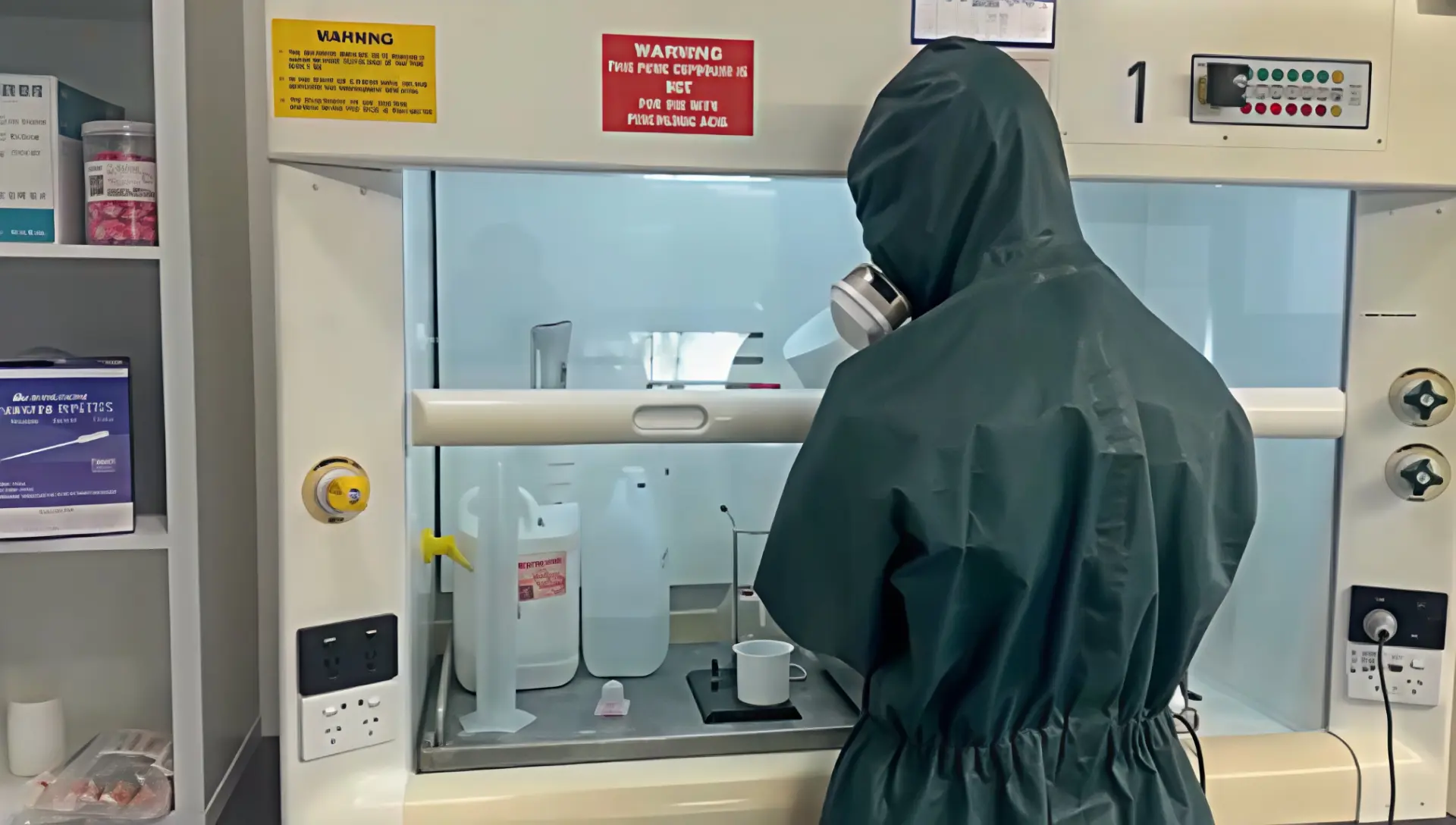
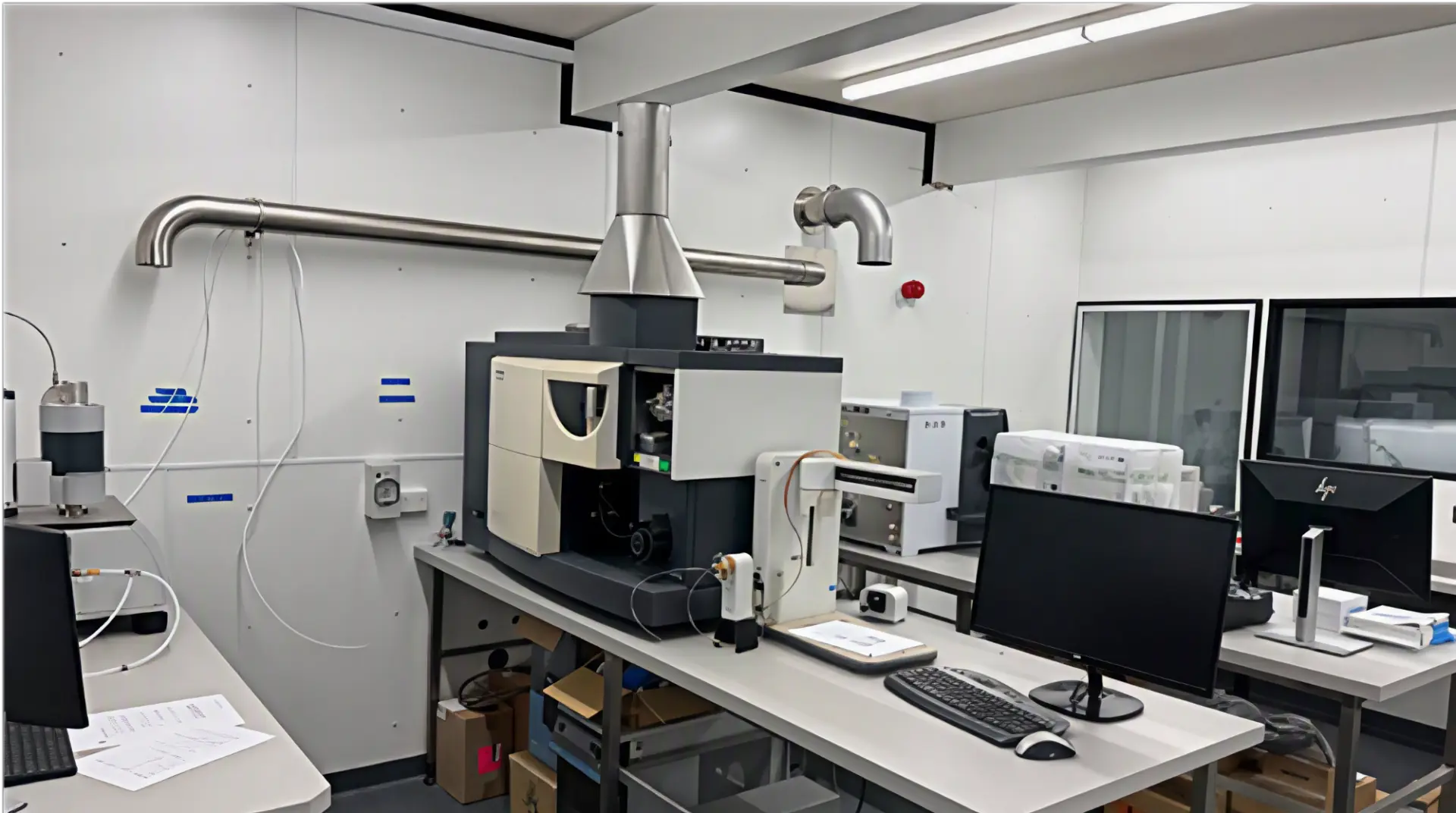
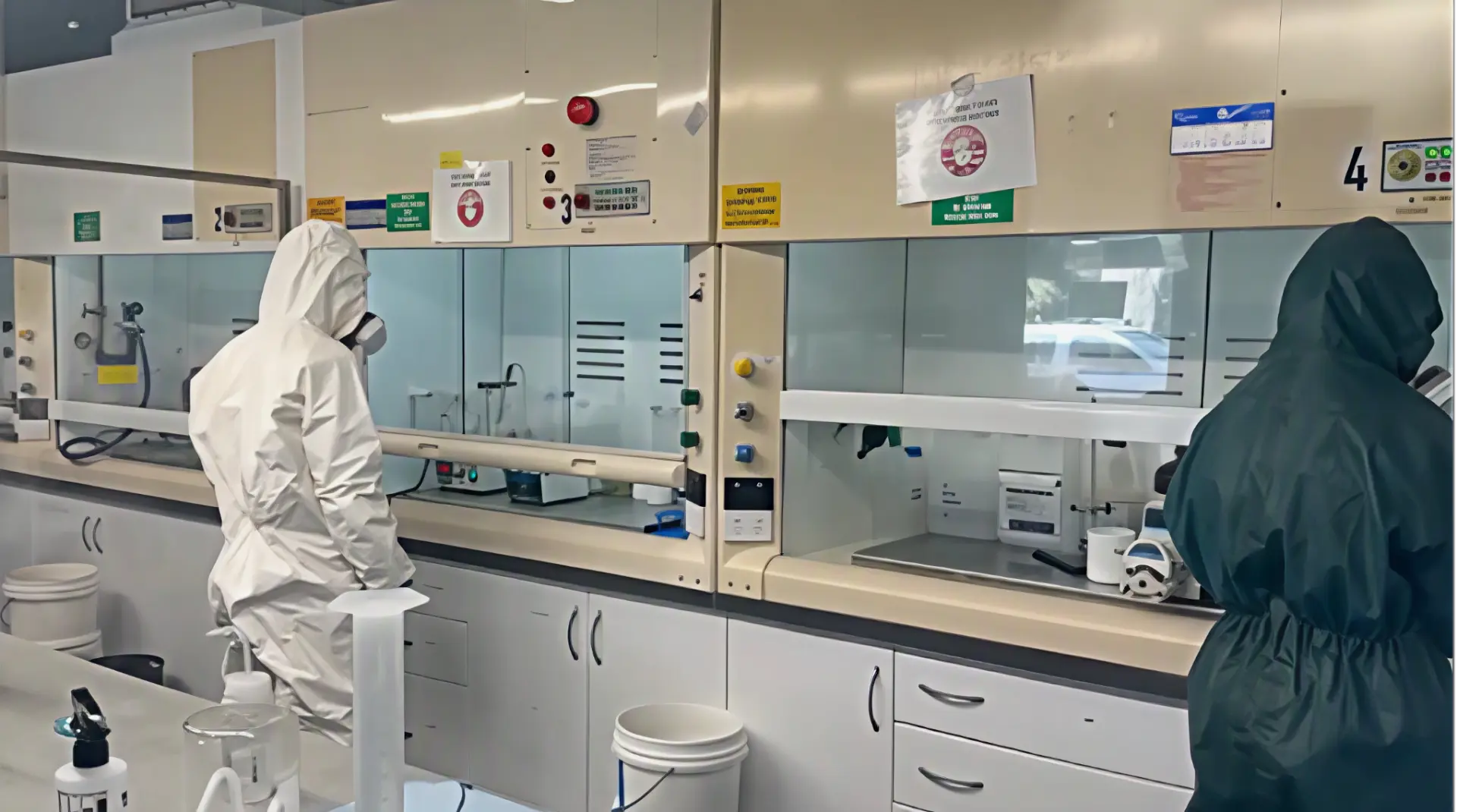
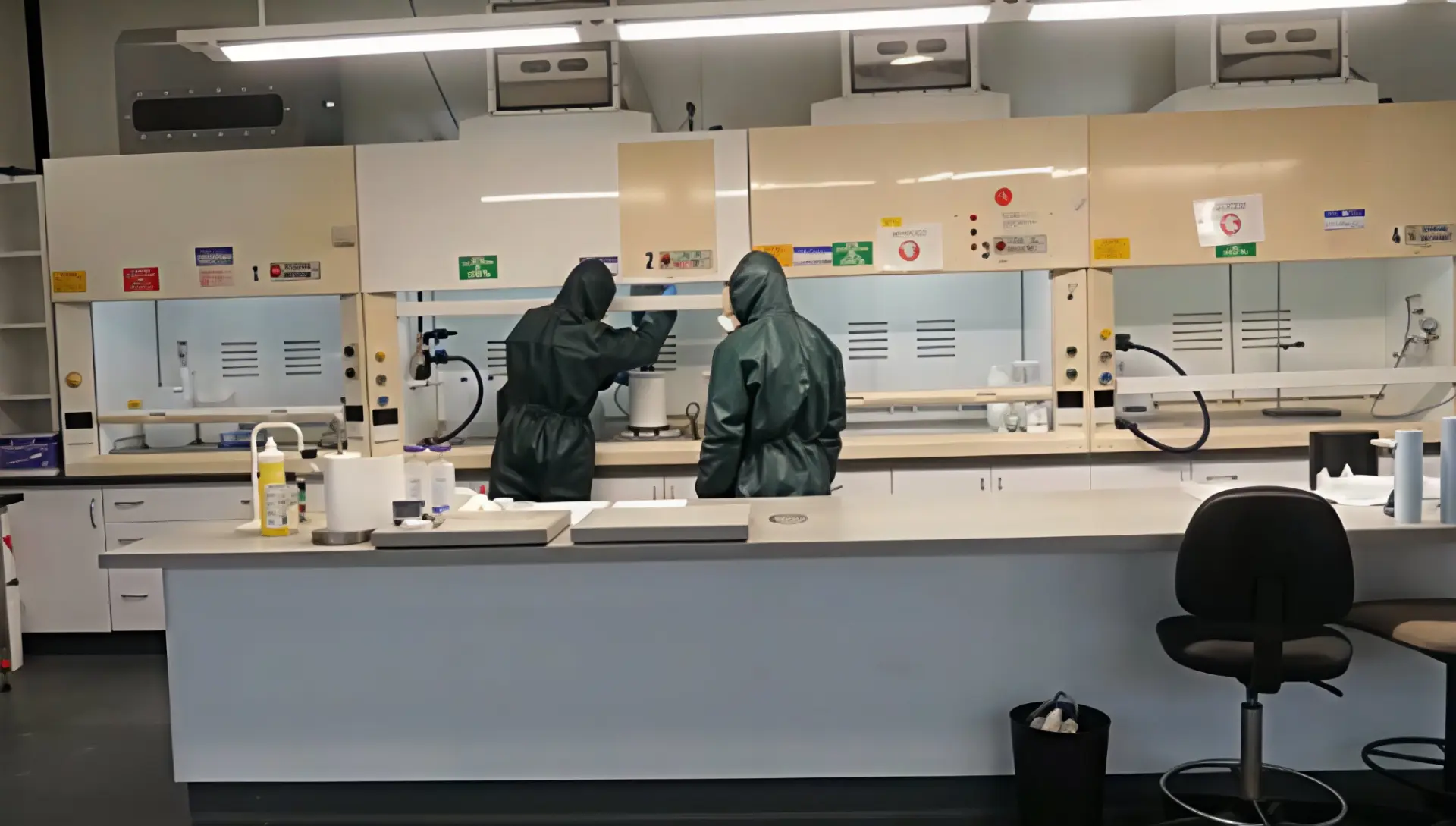
1,000m² of laboratory and processing space supports ongoing process development, analytical testing, engineering validation and commercial readiness activities.
40+ years
Of development
14 staff
Including 4 PhDs
1,000m²
Laboratory & processing space
2
Patent applications
Process R&D
Technical Team
Test Work
Single Commodity Refining
Liberate Creates a New Refining Category
Refiners are typically single-commodity and dependent on high-temperature processing. This positions the RMP as a differentiated multi-commodity refining platform rather than a conventional refinery.
Liberate — multi-commodity platform
- Multi-commodity recovery
- Ambient-temperature operation
- Modular deployment
- Closed-loop chemistry
- Sovereign ownership of refining infrastructure
The Enabling Technology
How the RMP works, step by step
Five scenes that explain how fluorine chemistry enables multi-commodity refining at ambient temperature and atmospheric pressure.
Detailed Process Sequence
01
Fluorine leach
02
Silica removal
03
Acid leach
04
Purification
05
Product recovery
06
Reagent recycling
Closed loop, 98% of reagent is recovered and returned to the front of the circuit.
Scene 01
Whole-of-ore attack
Fluorine attacks silicate and oxide matrices conventional acids cannot reach.
Scene 02
Ambient conditions
No kilns. No autoclaves. No roasting. Ambient leaching temperature and atmospheric pressure.
Conventional energy load
Kilns · autoclaves · roasting
RMP energy load
Ambient · atmospheric
Scene 03
Closed-loop reagent
Closed-loop reagent recovery and regeneration, with current process work supporting approximately 98% total reagent recovery.
Scene 04
Multi-commodity output
One feedstock in, multiple products out. Eight demonstrated recovery pathways, with additional mineral applications under validation and development.
Scene 05
Modular deployment
Modular refining units deploy to feedstock rather than shipping ore offshore. Sovereign supply chains, built at source.
01
LIBERATE
Fully break the silica bonds and remove the silica, releasing minerals from the feed.
02
SEPARATE
Separate the target material from neighbouring minerals in the feed.
03
ISOLATE
Produce high-purity target material while maximising recovery and minimising losses.
04
REGENERATE
Recover all remaining fluorine and return it to the beginning of the process.
Separation and purification
Conceptual germanium example
SEPARATE
Collect a Ge-bearing stream with neighbouring elements
ISOLATE
Purify Ge while maximising recovery and minimising losses
The above conceptual germanium diagram helps illustrate the distinction between SEPARATE and ISOLATE: collecting a germanium-bearing stream with neighbouring elements, then purifying the germanium while maximising recovery. The red shaded tails represent potential germanium losses we aim to minimise.
Liberate is not commercialising a chemistry experiment. Liberate is building sovereign critical mineral refining infrastructure.